The Importance of Adjusting Irrigation Systems During Summer
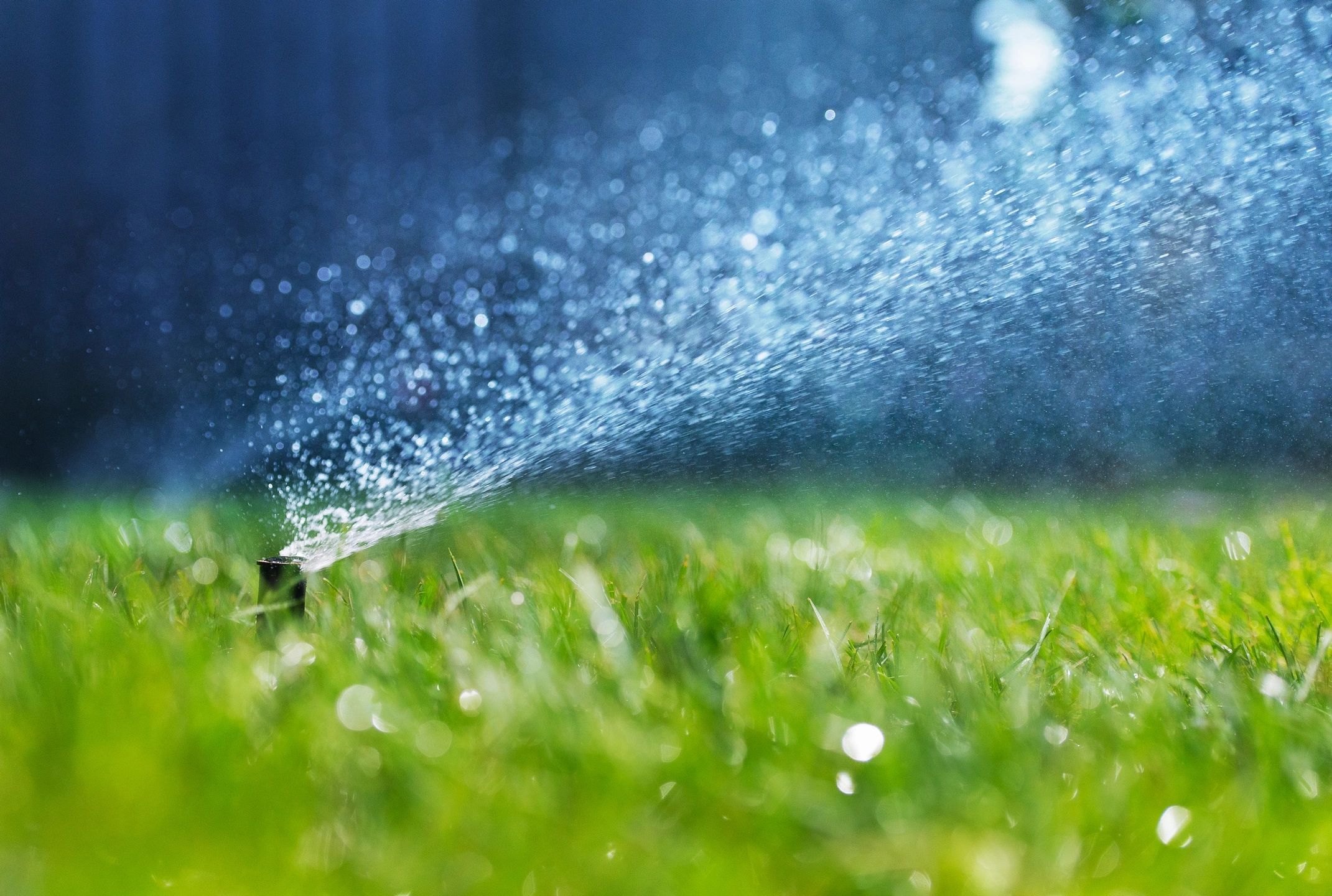
Adjusting irrigation systems in Central Florida during the summer is crucial for efficient water use, maintaining healthy landscaping, and protecting the environment. This region experiences a unique combination of hot, humid weather and frequent afternoon thunderstorms, which can significantly impact the amount of water lawns and gardens need. Properly calibrated irrigation systems ensure that landscapes receive adequate moisture without wasting water or causing damage through overwatering.
High temperatures and frequent rain showers characterize Central Florida’s summer climate. Many homeowners mistakenly keep their irrigation systems on fixed schedules, failing to account for rainfall. This leads to overwatering, which not only wastes a precious resource but can also harm turfgrass, plants, and soil. Excessive water can lead to shallow root systems, increased weed growth, and the spread of fungal diseases. By adjusting irrigation systems to reflect current weather conditions, homeowners and property managers can promote stronger, more resilient plants that require less maintenance and fewer chemical inputs.
Water conservation is another crucial reason to adjust irrigation systems. Florida faces ongoing challenges with water supply, especially in rapidly growing areas like Orlando and Tampa. Municipal water use spikes in the summer, with a large portion of that being used for irrigation. When systems run during or shortly after rainfall, they contribute to unnecessary water usage. Innovative irrigation practices—such as installing rain sensors or using programmable controllers—help ensure systems run only when needed. This reduces demand on the water supply and helps preserve Florida’s aquifers, springs, and ecosystems.
Moreover, proper irrigation adjustments can protect infrastructure and the environment. Overwatering can result in runoff, where excess water carries fertilizers, pesticides, and debris into storm drains, eventually polluting rivers, lakes, and estuaries. This runoff can lead to algal blooms and fish kills, damaging Central Florida’s fragile aquatic ecosystems. Adjusting irrigation systems to avoid overuse helps minimize this environmental impact.
From an economic standpoint, efficient irrigation is a cost-effective approach. Over-irrigation increases water bills and accelerates wear on system components, such as valves, pumps, and sprinkler heads. By scheduling irrigation for early morning or adjusting based on rainfall, property owners can extend the lifespan of their equipment and reduce long-term costs. Additionally, healthier landscapes require fewer costly interventions such as pest control, replanting, or turf replacement.
For homeowners, HOAs, and commercial property managers, summer is the most crucial season to monitor and fine-tune irrigation systems. Regular inspections can identify clogged nozzles, leaks, misaligned sprinkler heads, or broken timers that could lead to uneven watering.
Even minor adjustments—such as changing the duration or frequency of watering—can lead to significant improvements in water efficiency and landscape health.
In conclusion, adjusting irrigation systems during the summer in Central Florida is not just a best practice—it is a necessity. It ensures that landscapes stay vibrant and sustainable while conserving water, protecting the environment, and saving money. As the region continues to grow and face environmental challenges, responsible irrigation management will play a key role in maintaining the balance between development and ecological health.
Contact ELT Landscape if you need help adjusting your system this summer.