Adjust Your Irrigation System For Fall
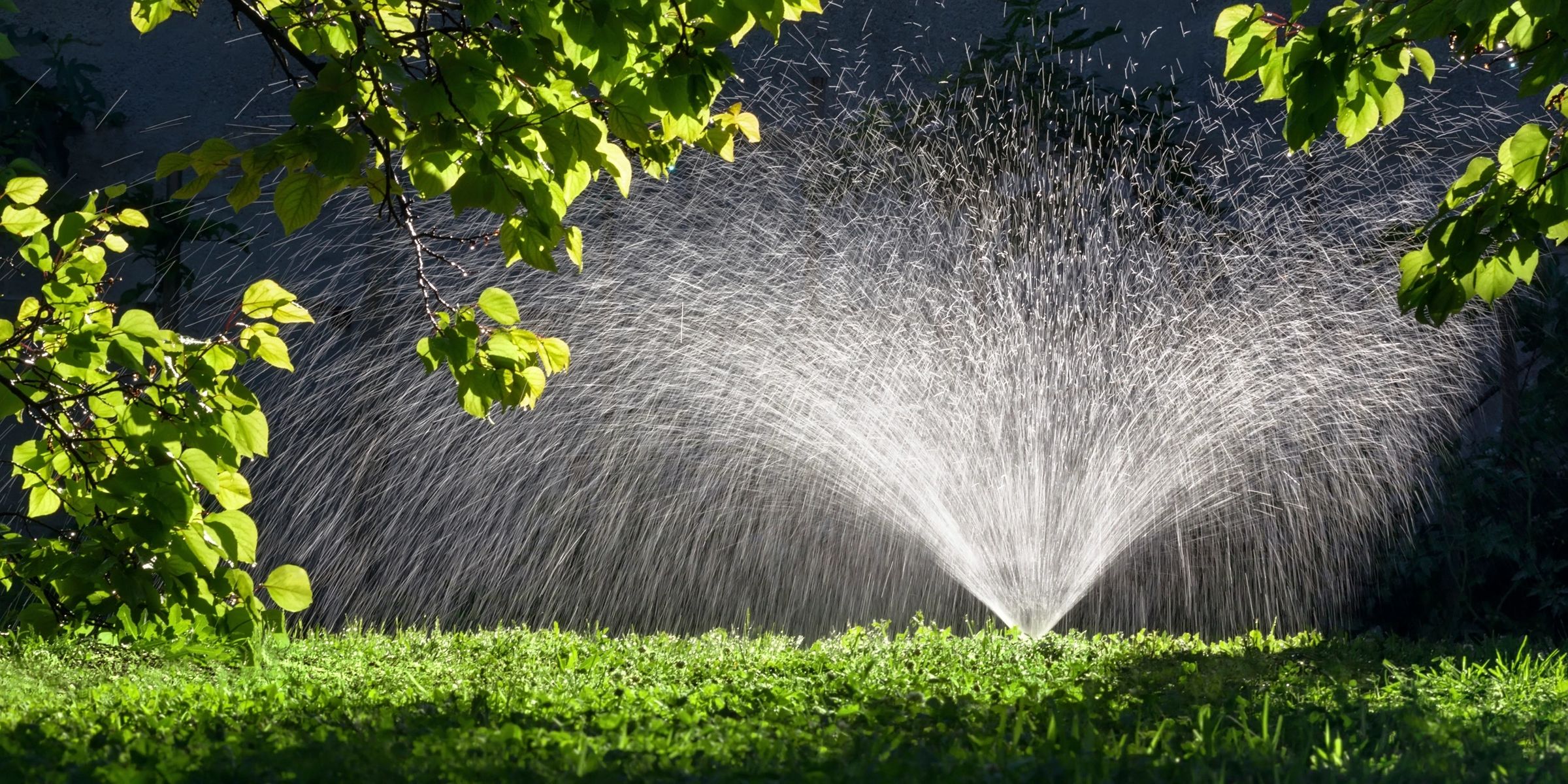
As summer transitions into fall in Florida, homeowners and property managers should take time to adjust their irrigation systems. While the state remains warm compared to much of the country, the fall season brings shorter days, cooler temperatures, and more frequent rainfall. These changes impact the amount of water required by lawns, landscapes, and gardens. By fine-tuning your irrigation system in the fall, you can conserve water, maintain healthy turf and plants, and avoid problems such as overwatering or disease.
Understand Seasonal Water Needs
Florida lawns and landscapes use significantly less water in the fall than in the peak of summer. With lower temperatures and reduced sunlight, evaporation slows down, allowing the soil to retain moisture for longer periods. Grass growth, especially for warm-season varieties like St. Augustine and Bahia, also slows in the cooler months. As a result, irrigation schedules that worked in July may lead to excessive watering in October or November. We recommend adjusting irrigation to match seasonal needs, which often means watering once or twice a week rather than every other day.
Check Local Watering Restrictions
Many counties and municipalities have watering restrictions in place year-round, often tightening them in the fall and winter months. Before making changes to your system, check with your local water management district or utility provider for updated guidelines. In some areas, watering may be limited to one or two specific days a week, depending on your address. Following these rules not only helps conserve water but also prevents potential fines.
Adjust Irrigation Timers
Most modern irrigation systems are controlled by timers, which should be reset as the seasons change. In the fall, reduce the number of watering days and the length of each cycle. Instead of watering 30–40 minutes per zone, you may only need 15–20 minutes. Pay attention to weather patterns as well—after a heavy rain, you can skip a scheduled irrigation cycle. Some controllers include rain sensors or smart technology that automatically adjust watering schedules based on rainfall or soil moisture. If your system doesn’t have these features, consider adding them to improve efficiency.
Inspect and Maintain Equipment
Fall is also a good time to check the condition of your irrigation system. Inspect sprinkler heads for clogs, leaks, or misalignment that can waste water or leave dry spots on the lawn. Clean or replace filters as needed, and check drip irrigation lines for blockages. Make sure rain sensors are working properly, since Florida’s fall season can bring tropical storms or lingering showers. A well-maintained system will deliver water evenly and prevent problems like puddling, fungal growth, or stressed plants.
Monitor Your Landscape
Finally, let your plants guide your irrigation adjustments. If grass blades fold inward, footprints linger on the lawn, or leaves wilt, your landscape may need more water. On the other hand, mushrooms, algae growth, or soggy soil indicate overwatering. Walk your property regularly in the fall to ensure your system is meeting, not exceeding, the needs of your landscape.
By making seasonal adjustments to your irrigation system, you’ll save water, reduce utility costs, and promote a healthier Florida landscape throughout the fall.
If you need assistance with your system, please get in touch us at ELT Landscape.