How to Winterize a Florida Landscape
Preparing a Central Florida landscape for winter looks different from what homeowners in colder climates experience. While we rarely face prolonged freezes, periodic cold snaps, lower daylight hours, and seasonal dormancy still impact lawns, trees, and ornamentals. A little preparation in late fall can help keep your landscape healthy, protected, and ready to rebound quickly when spring arrives. Here’s how to winterize your Florida landscape effectively.
Adjust Your Watering Schedule
As temperatures drop, plants use less water. Overwatering in winter can lead to fungal issues and root rot. Most Florida lawns need far less irrigation from November through February—typically only every 10–14 days depending on rainfall. Many municipalities even mandate reduced watering schedules during winter. Make sure irrigation systems are calibrated properly, sprinklers are aimed correctly, and rain sensors are functioning. Allowing the soil to dry slightly between waterings helps strengthen root systems for the cooler months.
Know When and What to Fertilize
Florida lawns, especially St. Augustine, Zoysia, and Bahia grass, naturally slow their growth in winter. Applying nitrogen fertilizer late in the year can stress turf and make it more vulnerable to cold damage. Instead, focus on a potassium-rich fertilizer in early fall to support root development and improve cold tolerance. Once temperatures consistently drop below 60°F at night, hold off on all lawn fertilization until spring. Shrubs and ornamentals, however, may benefit from a balanced slow-release fertilizer applied in fall, giving them time to absorb nutrients before entering a semi-dormant state.
Protect Sensitive Plants From Cold Snaps
Central Florida’s unpredictability means a warm week can be followed by a sudden freeze. Keep frost cloths, blankets, or burlap on hand to protect cold-sensitive plants like tropicals, citrus, crotons, hibiscus, and palms. Cover them before sunset when freezing temperatures are expected and secure covers to the ground to trap radiant heat. Avoid using plastic directly on foliage—it can increase freeze damage. For young trees, wrap trunks to prevent splitting. Watering the soil before a freeze can also offer protection, as moist soil retains heat longer.
Prune Thoughtfully
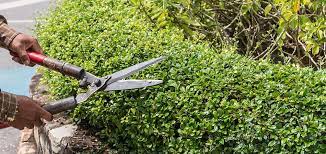
Fall isn’t the time for heavy pruning in Florida. Removing too much growth can stimulate tender new shoots that are easily damaged by cold. Instead, focus on cleaning up dead or diseased branches and shaping lightly if needed. Save major pruning for late winter or early spring after the last frost risk has passed. For flowering plants, research their bloom cycle—pruning at the wrong time may reduce next season’s flowers.
Mulch for Insulation and Moisture Control
A fresh 2–3 inch layer of mulch around landscape beds offers several winter benefits: it insulates plant roots, moderates soil temperature, and conserves moisture. Mulch also suppresses winter weeds and creates a clean, finished look. Keep mulch a few inches away from the base of tree trunks to prevent rot.
By adjusting watering, fertilization, and pruning practices—and being prepared for sudden cold snaps—you’ll help your Florida landscape stay healthy through the cooler months and thrive when warmer weather returns.
Contact ELT Landscape if you have any questions or want some help winterizing your property.